
Filmmaking is Not About Filmmaking
When people think of filmmaking, they often imagine cameras, lenses, gear, and editing tools. But for me, filmmaking — especially documentary filmmaking — goes far beyond the technical.
At its core, filmmaking is about life. It’s about capturing moments, emotions, and real stories that resonate. Documentary filmmaking in particular allows me to tell true stories in ways that are cinematic, compelling, and deeply human. Today’s documentary space is no longer just about standing behind a camera and watching events unfold — it’s about crafting a narrative that informs, engages, and moves people.
The journey always begins with an idea — a subject that stirs my curiosity. From there, I dive into research. I read, observe, and immerse myself in the topic until the story begins to take shape. I look for unique angles, dig for context, and find the emotional thread that connects everything. Because great documentaries aren’t just about what happened — they’re about why it matters.
From Structure to Storytelling
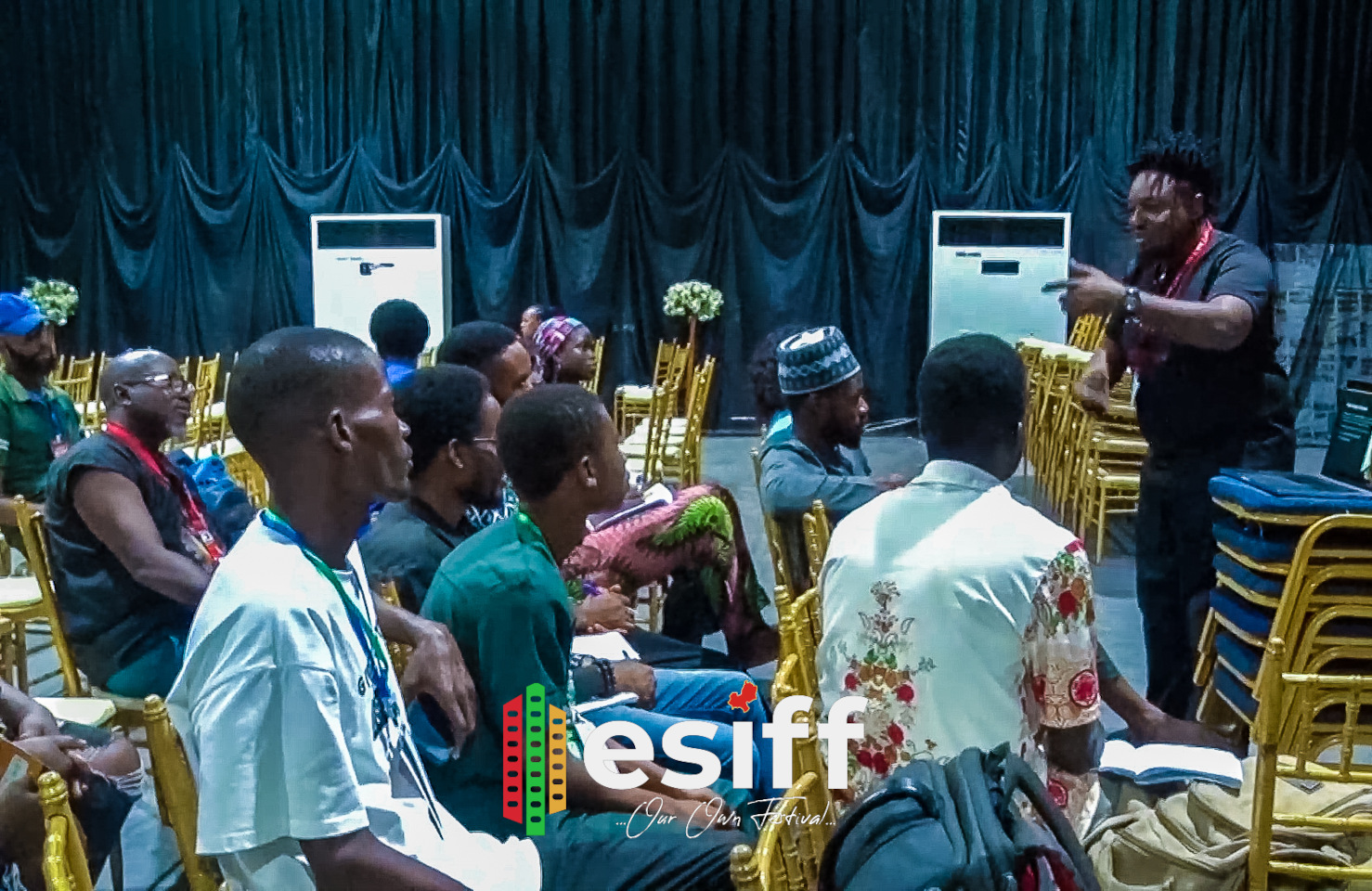
After the research phase, I start to structure the story. Even though documentary films are non-fiction, they still need a narrative arc — a beginning, a climax, and a resolution. This structure helps the viewer stay engaged, even as we explore real-life subjects. Unlike scripted films where you control every moment, documentaries often evolve unexpectedly. That’s why I always try to define early on: where does this story end?
Once the story arc is clear, I shift to the technical side — choosing the right camera, lenses, audio tools, and whether to run solo or with a small crew. In my experience, having even a minimal crew can ease the workload and enhance quality. I personally enjoy working with Sony gear, especially because of the versatility and quality of their E-mount systems and G Master lenses.
Post-production is where everything comes together. With good footage straight from the camera, the edit becomes more about storytelling and less about fixing mistakes. And at the heart of it all, I keep returning to this truth: storytelling is about people. Tools help — but the story is everything.
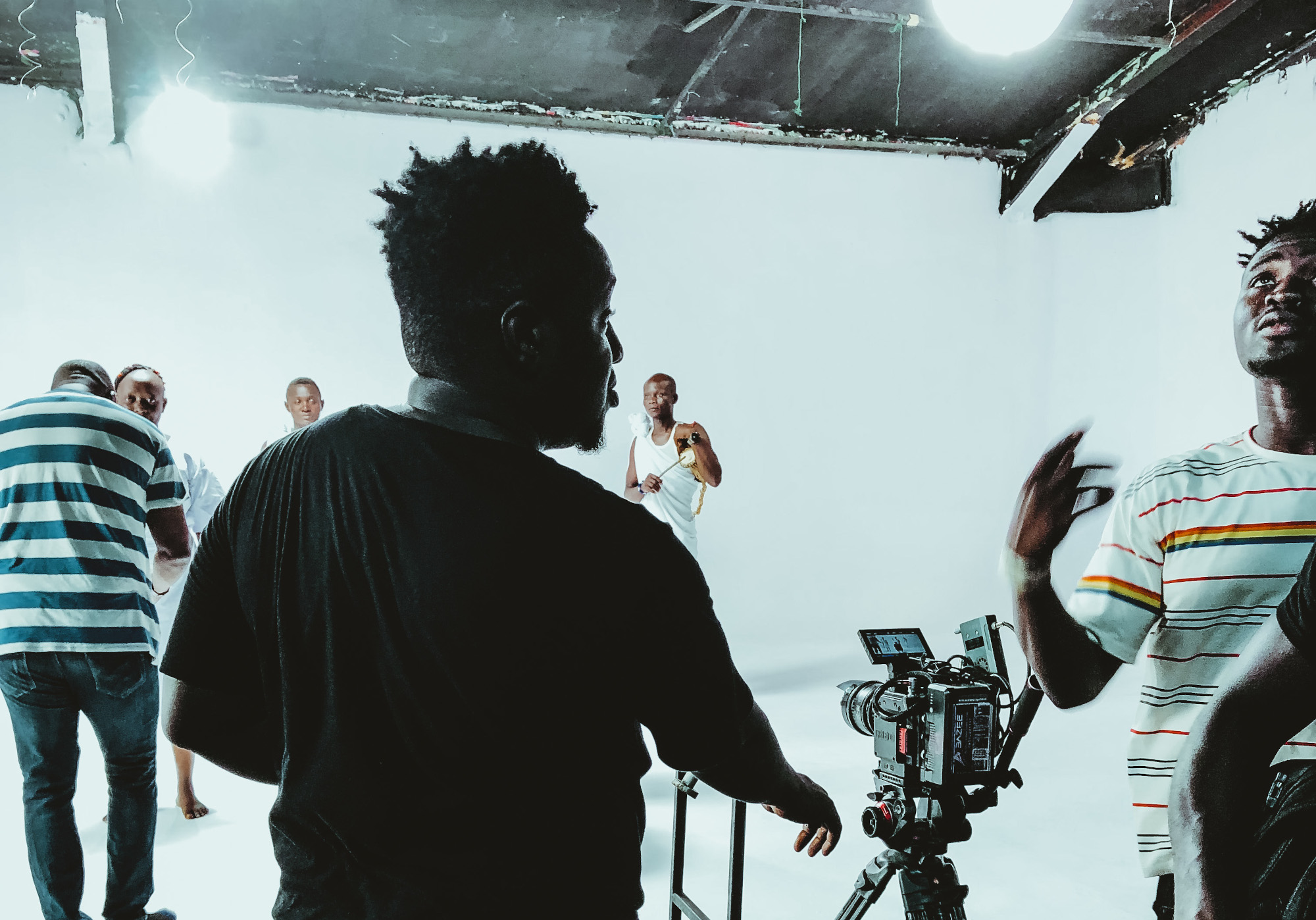
Filmmaking is not about filmmaking — it’s about documenting life.
One Comment:
YourAfricanCreator
This was very Immersive. Thank you for sharing it with us 🧡